Chettikulangara Devi Temple
Click the 'Play' button to read out loud this webpage content
Introduction to the Chettikulangara Devi Temple
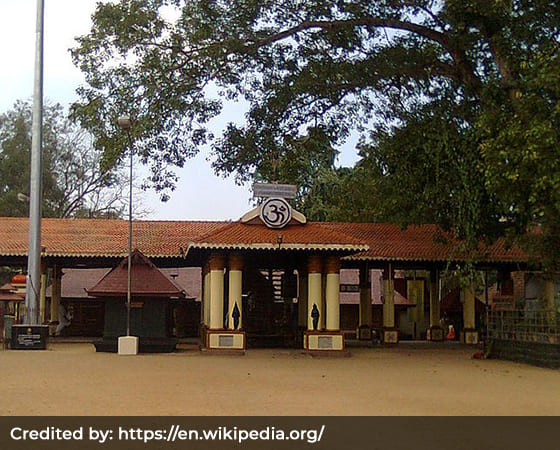
The Chettikulangara Devi Temple is in Mavelikkara taluk, Alappuzha district, Kerala. It is the highest revenue-generating temple under the Travancore Devaswom Board after the world-famous Sabarimala temple. The Chettikulangara Devi Temple is a UNESCO world heritage site. Another name for the temple is the Chettikulangara Bhagavathy Temple.
Legend of the Chettikulangara Devi Temple
According to a legend, some village chieftains from Chettikulangara went to Koipallikarazhma Bhagavathi Devi Temple for annual festivities. The temple authorities humiliated them for not having a Bhagavathi temple in their village, Chettikulangara.
The ashamed leaders vowed to build a temple for Bhagavathi at Chettikulangara. So, some family heads and some main families decided to receive the blessings of Kodungallur Bhagavathi before starting the temple's construction works. They embarked on a pilgrimage to several temples and finally reached the Kodungallur temple. They performed Bhajans for twelve days to gratify Devi Bhagavathi.
She was pleased and appeared in their dreams. She uttered a word that she would soon reach their village, Chettikulangara. Kodungallur temple priests gave the chieftains a sacred sword. The next day, the Chettikulangara villagers returned to their place with the sword and began constructing the Devi Bhagavathi temple.
Another legend says that Padmapadacharya (a leading disciple of Adi Shankaracharya) consecrated this Chettikulangara Devi Temple on the Uthrattathi day of Makara Masam in AD 823.
The Architecture of the Chettikulangara Devi Temple
This is a 1200-year-old temple. Bhadrakali, the principal deity, graces from the sanctum (Sreekovil). The uniqueness of the Chettikulangara Devi Temple is that Bhadrakali graces her devotees in three distinct forms: Maha Saraswati in the morning, Mahalakshmi at noon, and Maha Kali in the evening. The Kayamkulam Maharaja donated a Salagrama a few centuries ago, and it was also installed inside the Sreekovil.
Bhadrakali, an incarnation of Supreme Mother Parvati, was born from Shiva's third eye to kill Darukasura. 'Bhadra' means good, and 'Kali' means 'deity of time'. So, devotees worship Bhadrakali for prosperity and salvation.
The main attraction of the Chettikulangara Devi Temple is the granite Kuthuvilakku, which can accommodate over 1000 wicks and is considered the largest in the country.
The temple is in Kerala's traditional architectural style. Many smaller shrines are dedicated to different deities like Yakshi, Thevara Moorthy, Ganesh, Kannamballi Bhagavati, Nagaraja, Naga Yakshi, Balakan, and Vallyachan.
A Kavu (sacred grove), houses the serpent deities. The Karimbana (black palm tree) and the Chembakam tree in the temple premises are also places of worship.
Festivals in the Chettikulangara Devi Temple
The Chettikulangara Devi Temple is well-known for its Kettukazhcha procession and Kuthiyottam ritual, which are highlights of the annual Kumbha Bharani festival. The key attraction of the Kettukazhcha procession is the parade of festooned giant effigies of horses and chariots.
Boys between 8 and 12 years old perform the Kuthiyottam dancing steps. During the festival phase, many people perform Kuthiyottam in their houses as an offering to the deity. Kuthiramoottil Kanji, Konjum Manga, and Astram are the Kumbha Bharani festival's special offerings. Parayeduppu, Ethirelppu Utsavam, and Aswathy Utsavam are also celebrated grandly with the same zeal.
How to Reach the Chettikulangara Devi Temple
By Road
The nearest bus stand is Chettikulangara, 5 Km away from Mavelikkara.
By Rail
Mavelikkara Railway Station is 4.8 Km away from the Chettikulangara Devi Temple.
By Air
Thiruvananthapuram International Airport is at a 114 Km distance.
Chettikulangara Devi Temple Timings
The Chettikulangara Devi Temple remains open from 5.00 am to 11.00 am and from 5.00 pm to 8.00 pm.
If you wish to have customized spiritual tours or pilgrimages arranged in India for yourself or for a group of people, please contact Brindavan Mystic Services
Email ID: [email protected]
Toll free: 1800 102 9098