

 The item has been added to your cart.
Nag Panchami Meaning, Significance and Celebration
 July 7, 2026


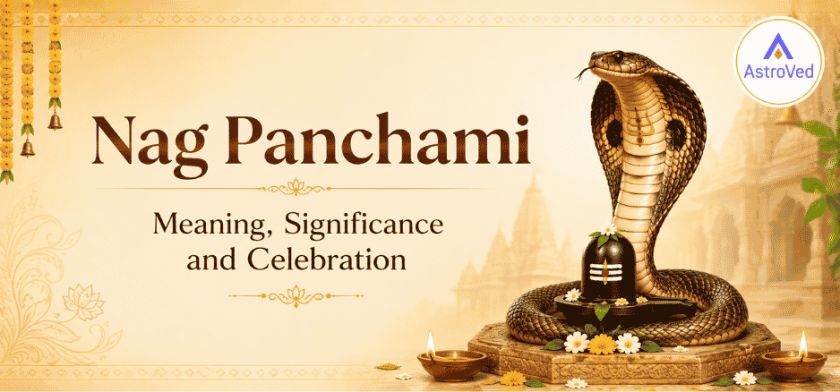
Nag Panchami is a sacred Hindu festival dedicated to the worship of Nag Devatas, or serpent deities. According to the Hindu calendar, it is observed on the Panchami Tithi, the fifth lunar day of Shukla Paksha in the month of Shravana. The festival usually falls in July or August.
When Is Nag Panchami in 2026?
Nag Panchami in 2026 will be celebrated on Monday, August 17, 2026.
On this auspicious day, devotees worship Nag Devatas and seek their blessings for protection, prosperity, family happiness, and harmony. People also pray for forgiveness for any harm caused knowingly or unknowingly to snakes and ask for the well-being and fulfilment of their family members.
What Is the Meaning of Nag Panchami?
The word “Nag” means serpent, while “Panchami” refers to the fifth lunar day. Therefore, the Nag Panchami meaning in English is the sacred fifth lunar day dedicated to the worship of serpent deities.
In Hindu tradition, Nagas are regarded as powerful and divine beings. They are worshipped with devotion and are associated with protection, fertility, nature, and spiritual energy.
Nag Panchami reminds devotees to respect not only snakes but all living beings. The festival highlights the importance of living peacefully with nature and protecting creatures that are part of the environment.
Why Is Nag Panchami Celebrated?
Nag Panchami is celebrated to honor serpent deities and seek their blessings. Devotees pray for protection from snake-related dangers, peace in the family, prosperity, and relief from fear.
It is also believed that worshipping Nag Devatas on this day may help reduce the effects associated with Naga Dosha or Kaal Sarpa Dosha.
During the festival, serpent forms made of wood, silver, stone, or other materials are worshipped. Some people also use pictures or drawings of snakes for the puja.
Traditional offerings such as milk, sweets, fruits, flowers, and turmeric are presented to the Nag Devata. These offerings are made symbolically to an image, idol, or sacred serpent form.
How Is Nag Panchami Celebrated?
Nag Panchami is celebrated with different customs in various regions. Devotees visit Nag Devata shrines and places connected with serpent worship.
In many homes, women draw snake forms on walls or floors using natural colors and turmeric paste. These sacred designs are then worshipped with devotion.
Many devotees also observe a fast on Nag Panchami. The fast is followed as an act of faith and spiritual discipline. People pray to overcome their fear of snakes and seek protection from snake-related dangers.
Lighting a lamp on Nag Panchami is considered auspicious. Devotees may place an image or idol of Nag Devata in a clean worship area, light a lamp, offer flowers and fruits, and perform prayers.
Making a Sankalpa, or a sincere spiritual intention, during the worship is also considered beneficial. Devotees may pray for the health, happiness, protection, and prosperity of their family.
Nag Panchami Puja at Home
Nag Panchami puja can be performed at home in a simple manner.
First, clean the home and prepare a peaceful worship space. Place a picture or idol of Nag Devata on the altar. Light a lamp and offer flowers, fruits, sweets, turmeric, and other traditional items.
Devotees can then offer prayers and make a Sankalpa for the well-being of their family. The worship should be performed with sincerity, gratitude, and respect for all living beings.
Offerings are best made symbolically to a Nag Devata idol or image. Live snakes should not be disturbed, captured, or harmed in the name of worship.
Why Is Digging Avoided on Nag Panchami?
It is traditionally believed that fields should not be ploughed and the ground should not be dug on Nag Panchami.
Snakes may live beneath the soil or inside anthills. Digging the earth could accidentally injure or kill them. Avoiding such activities on this day reflects compassion and respect for life.
Sacred anthills associated with serpent deities are also worshipped in some regions. These places are regarded as the presence or abode of Nag Devata.
Spiritual Significance of Nag Panchami
The spiritual significance of Nag Panchami lies in protection, forgiveness, devotion, and respect for nature.
By worshipping Nag Devatas, devotees seek freedom from fear and pray for a peaceful and prosperous life. The festival also encourages people to recognize the value of every living creature.
Snakes are often feared, but they have an important place in nature. Nag Panchami teaches that fear should not lead to cruelty. Instead, people should understand, respect, and protect other forms of life.
Frequently Asked Questions
What is Nag Panchami?
Nag Panchami is a Hindu festival dedicated to the worship of Nag Devatas or serpent deities.
When is Nag Panchami in 2026?
Nag Panchami will be celebrated on Monday, August 17, 2026.
Why is Nag Panchami celebrated?
It is celebrated to honor serpent deities and seek blessings for protection, prosperity, family well-being, and relief from fear.
What is the meaning of Nag Panchami in English?
Nag Panchami means the sacred fifth lunar day dedicated to serpent worship.
Can Nag Panchami puja be performed at home?
Yes. Devotees can worship an image or idol of Nag Devata, light a lamp, offer fruits and flowers, and pray for their family’s well-being.
Why do people fast on Nag Panchami?
Fasting is observed as an act of devotion. People pray for protection, peace of mind, and freedom from snake-related fears.
Conclusion
Nag Panchami is a festival of devotion, protection, and respect for nature. It teaches people to value all living beings and live in harmony with the environment.
By worshipping Nag Devatas with sincerity, devotees seek blessings for happiness, prosperity, protection, and family well-being. The festival also reminds us that showing compassion toward living creatures is an important form of spiritual practice.
Don’t forgot to Share this Article!

 Tags:
Tags:Leave a Reply
Follow Us
Categories
Related articles






+ =


